Secular Student Alliance 2025 National Conference
Conference Schedule
We are in the process of updating the conference schedule on a regular basis. Events, workshops, meals, and times may change. Please check back soon for more information.
Arrival Day
Plan to arrive on Thursday. Campus housing will be available to students. Usually, students hang out in the lobby and welcome other students as they arrive.
Residence Hall Check In - Morning Arrivals
Check-in hours: 9:00 AM–12:00 PM
Residence Hall Check In - Afternoon Arrivals
Check-in hours: 2:00 PM–5:00 PM
Conference Registration Open
3:00 PM - 6:00 PM
Exhibit Table Set-Up
3:00 PM - 6:00 PM
Pizza on the Patio 5:30pm
Welcome Activity - StrataTag 6:30pm
StrataTag is an electronic version of Capture the Flag that is played on the streets in a city using augmented reality checkpoints, GPS mapping, and real-time communications to take the strategy and fun of Capture the Flag to a whole new level. You will need a smartphone with GPS and data turned on. The game lasts typically 1 to 2 hours and uses 15 to 60 Mb of mobile data. A fun, optional activity for those who want to have fun and burn a little energy.
Breakfast 8:30am
Conference Registration Open 9am
Welcome and Opening Plenary 10am
- Welcome Address from Mayor Aftab Pureval
- Opening remarks from Kevin Bolling, SSA Executive Director
- Opening remarks from Sean Moilanen, SSA National Organizing Manager
Conference Workshops 11am
The Science and Power of Play: A Hands-On Session
Presented by Jake Via American Humanist Association
Play isn’t just for kids. It’s a fundamental part of how all mammals learn, connect, and thrive. Yet, somewhere along the way, society tells us to "grow up" and leave play behind. In this highly interactive session, we’ll rediscover the joy and purpose of play, exploring its deep roots in neuroscience, its power to build strong communities, and its surprising role in conflict resolution. When we play together, the same parts of our brain associated with empathy light up! Come ready to move, laugh, and experience firsthand why play is a lifelong superpower that brings your community together.
Building Community Around the Secular Imagination
Presented by Colin Wulff Columbia University
Secularity is widely associated with the use of reason, the advancement of science, and the pursuit of worldly justice. Principles in line with these worthy projects are often the primary basis of secular affinity. But community also exists and develops in the time and space between efforts at mobilization, education, and advocacy. A resolute rationalism does not mean the absence or rejection of other important dimensions of human experience, such as fantasy, artistry, and play. These can all serve as critical connective tissue in coalition and community building, even for initiatives devoted to factual truth or practical policy measures.
This workshop encourages participants to consider and embody, with simple movement, how their secular identities interact with their creative impulses and recreational interests. The workshop will also facilitate discussion on how these elements can inform structures and programming in secular groups.
How do our political or intellectual commitments relate to our aesthetic and collaborative preferences, or to our inner imaginative lives? How might a secular awareness affect our fascinations with or aversions to different types of ritual, rhetoric, or narrative? How does all this influence our openness or hesitation with respect to group formation and governance, or in response to cultural customs? What exceptions are we willing to grant? In social, artistic, or other elective contexts, what are the assumptions, predispositions, or resistances that come with a commitment to secular ideas? Which among those assumptions accurately and consistently represent our attitudes and desires? Within dedicated secular assemblies, how variable or adjustable are these intersecting inclinations, individually and collectively?
A series of prompts on these themes will be provided, mostly taking the form of opinionated assertions or hypothetical scenarios. Participants will be invited to join or depart from a communal hub area, depending on how those prompts may personally resonate with them positively, negatively, or ambivalently. Short opportunities for open reflection in small groups will be given at intervals.
Grassroots Organizing 101: Building Power for the Common Good
Presented by Jasmine Banks Co-Founder Generation Common Good
This training offers an introduction to people-powered organizing rooted in the vision of Jasmine Banks and Generation Common Good. In a time of rising authoritarianism, climate crisis, and structural inequality, we’ll explore how to build multiracial, intergenerational coalitions capable of reclaiming democracy and advancing justice. Participants will learn the foundations of grassroots strategy, how to organize within key institutions like schools and other community centers, and how to activate everyday people into skilled, action-ready leaders. Whether you’re new to organizing or looking to deepen your practice, this session will help you build lasting power for the fights ahead.
Lunch 12pm
Conference Workshops 1pm
The Trans Refugee Crisis : At the Intersection of Secularism & Identity
Presented by Student Leader River Gallagher
Many queer and trans people are fleeing their home states to escape dangerous, draconian restrictions to their ability to survive. These laws and policies are overwhelmingly driven by Christian nationalism. It's one thing to understand the threat, but it's wholly another to understand the real, personal impacts of these efforts on the lives of the people living under these conditions.
Strange Customs & New Rituals
Presented by Sasha Sagan
Why do we do things the way we do them? We take on customs from our ancestors, then teach them to the next generation, often without thinking. But when we take a step back, they can seem bizarre, arbitrary...and sometimes, profoundly beautiful.
Join Sasha Sagan, author of "For Small Creatures Such as We," in uncovering just how weirdly wonderful we Earthlings can be. Maybe even develop a ritual or two of your own!
How To Win Friends + Organize People: Using Humanistic Psychology to Grow Your SSA Chapter
Presented by Fish Stark Executive Director American Humanist Association
Why do people join groups?
It's not because of beautifully-designed posters or celebrity guest speakers. (I mean, those don't hurt.)
It's because they're looking for something to belong to and believe in.
For decades, humanistic psychologists have studied how our search for meaning, purpose, and identity in life drives our behavior.
As a result: there's a lot of data about what we can do as leaders to get people excited about joining groups and taking part in activism, if we step into their shoes.
In this session, you'll learn the basic principles of humanistic psychology and specific tactics for increasing group membership and commitment, illustrated by real-life stories about how leaders in the student and secular movements are using these tactics successfully.
Fish Stark is the Executive Director of the American Humanist Association. Prior to that, he was an executive at a tech startup that built apps to improve children's mental health, and the Director of Programs at Peace First, a nonprofit that provided training and grants to student activists in 140+ countries. He studied psychology at Yale and Harvard.
Break 3pm
Conference Workshops 3:15pm
The Spectrum on Nones : A Glimpse into the Non Belief of your Peers
Presented by Willie Cartwright Secular Student Alliance Board Member
In this workshop, we acknowledge that “Nones” are not a monolithic group. Students may find themselves identifying as spiritual but not religious, culturally religious, humanist, disillusioned, exploratory, or somewhere in between — and often, in more than one category at the same time. Belief and identity are deeply personal, constantly evolving, and rarely fit neatly into a single label.
Through guided one-on-one conversations, students will engage with thoughtful questions around core beliefs, personal history, sources of meaning, and their relationship to community and identity.
This exercise is not about categorization - it’s about curiosity, connection, and creating space for students to better understand
themselves and one another within the broad and beautiful spectrum of the Nones.
The hope is that students leave this experience with new language, deeper clarity, and practical tools they can take back to their campuses to spark similar conversations in their own communities.
Understanding Antisemitism and Its Weaponization
Presented by Paul Golin Executive Director Society for Humanistic Judaism
The white Christian Nationalist authors of “Project 2025” published a corollary plan before the election
called “Project Esther,” providing a blueprint for the government to use antisemitism as the excuse for
sweeping attacks against academia. That plan is currently being enacted today. Most American Jews do
not believe the administration’s policies will make them safer, even as many Jewish college students
report experiencing antisemitism and hate crimes have increased, including the recent murder of a
young couple in D.C. attending a Jewish event. Bringing the best of our humanistic values of empathy,
civil dialogue, and reason, we will together unpack some of today’s most complicated issues, including
the impact of the Israel/Palestine conflict on American campuses, the government’s weaponization of
antisemitism against many universities, allyship for minority communities, and the potential role for
secular people to serve as bridgebuilders and peacemakers.
Performative or Powerful? Evaluating Action Through Intentional Organizing
Presented by Sean Rivera Community Organizer and SSA Alumni
Not all activism moves the needle. In this student-centered workshop, Sean Rivera—a seasoned community organizer and SSA alum—leads a conversation on how to distinguish performative gestures from intentional, impactful organizing. Drawing from over a decade of experience in secular and political movements, Sean will guide students through real-world strategies for assessing campus and community action before jumping into discussion. You’ll leave with practical tools to ask the right questions, build real power, and organize with purpose.
Friday Afternoon Plenary 4:15pm
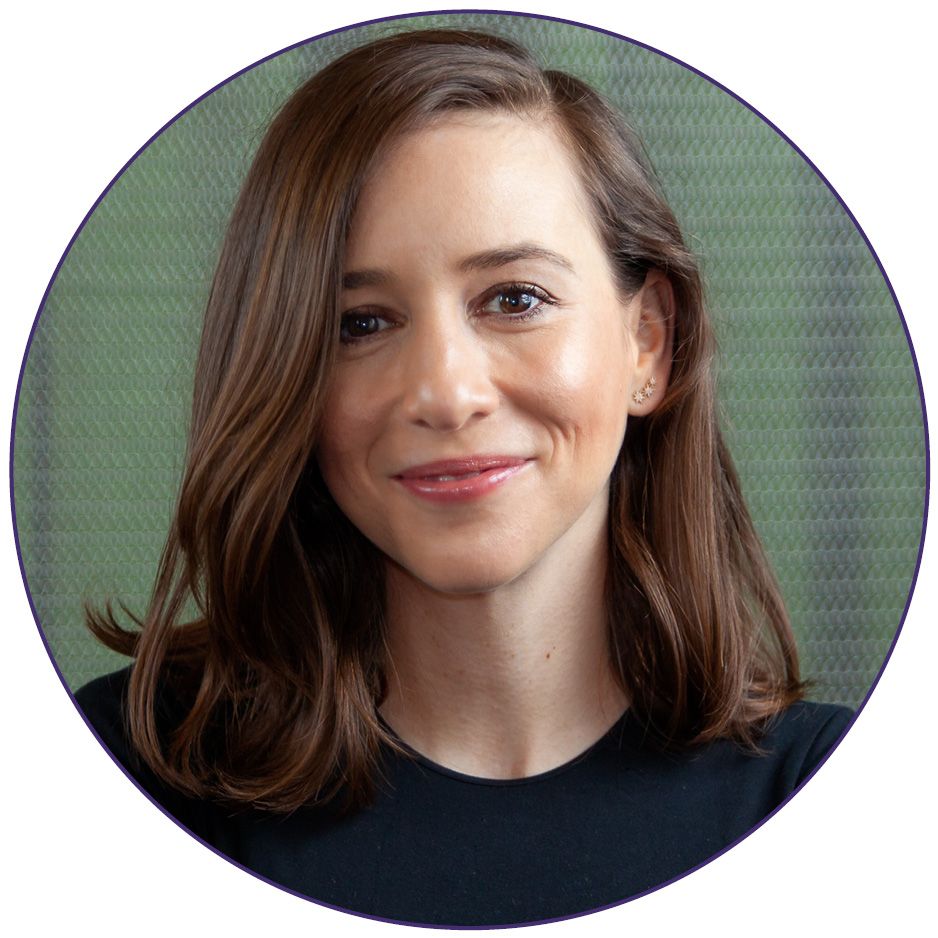
Celebrating Doubt, The Only Sin Would be to Pretend with Sasha Sagan
Is there a way to celebrate science as the pathway to deep understanding and still somehow honor the traditions of our ancestors? How can we wrestle with profound questions of existence, doubt openly, and tolerate ambiguity with joy?
Dinner 5:30pm
Friday Night Event 6:30pm
Life Lessons from the Lab: How Learning Science Makes You a Better Person with Forrest Valkai
Science and skepticism are more than just tools for understanding the universe. Properly applied, they are tools for compassion, progress, and unity as well. In this presentation, biologist and a science communicator Forrest Valkai introduces several lessons in biology, their implications for skepticism and society, and how they preclude the kind of thinking that hinders social progress.

Breakfast 8am
Saturday Opening Plenary 9am
- Featured SSA student speaker :: Rafael Lopez
- Featured SSA alumni speaker :: Sarah Henry
- Featured SSA alumni speaker :: Sean Rivera
- Featured SSA alumni speaker :: Evan Clark
- Featured SSA student speaker :: Kyria Santa
Conference Workshops 10:00am
Secular and Slandered: Fighting Misinformation in Public Life
Presented by Sarah Henry, SSA Alum and Florida House Candidate
What happens when secular values become political ammunition? Sarah Henry, an SSA alum and recent candidate for Florida’s House District 38, knows firsthand. Throughout her campaign, Sarah faced a wave of attack ads attempting to weaponize her nonreligious identity—misrepresenting her values and painting her commitment to separation of church and state as something extreme.
In this timely and practical workshop, Sarah shares what she learned from the campaign trail: how to stay grounded in your values, how to respond to misinformation without getting derailed, and how to lead unapologetically as a secular advocate. Students will explore real-life strategies for running for office, shaping public narratives, and defending themselves and others from bad-faith attacks—whether online, on campus, or in their own communities.
This session is essential for any student considering a future in leadership, advocacy, or public life.
Street Epistemology : Navigating Hard Conversations
Presented by Josh CruverKibi PA Nonbelievers
Street Epistemology is a conversational approach to help foster understanding between different views, as well as a way of helping someone explore and understand their beliefs. It is a modern version of the Socratic method. Street Epistemology is a clever way to help someone explore their poorly understood or explored beliefs and ideas. The technique creates peaceful discourse and allows space for autonomy.
Building Powerful Coalitions for a Secular Future
Presented by Alicia Johnson & Andy Beyer Americans United for Separation of Church and State
Advocating for secular issues–and winning–requires strong relationships and coalitions to build the power we need for the change we want, but forming and maintaining those relationships is not always easy. In this hands-on workshop, we’ll look at practical approaches to and examples of coalition building on campus, brainstorm how to do outreach in your communities, and practice relationship building as a key skill for activists.
Saturday Plenary 11:00am
Confronting Transphobia in the Secular Movement with Arden Hart
Leading secular voices such as Richard Dawkins, Sam Harris, and Jerry Coyne have spread harmful misinformation about the transgender community, often masking transphobia as scientific debate or free speech. This session explores how their rhetoric misrepresents trans lives, the real-world impact of their words, and why it’s critical we challenge these narratives. We’ll discuss how to build a secular movement grounded in truth, empathy, and justice for trans and nonbinary people.
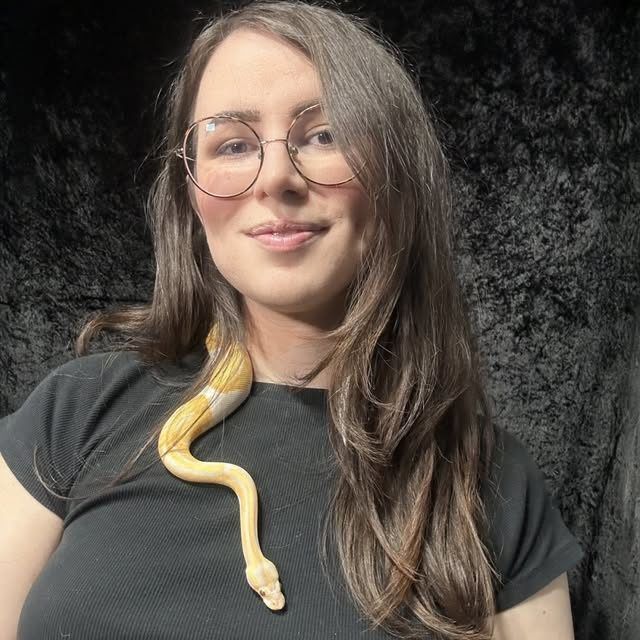
Protest Safety Panel with Jen Scott, David Condo, Sean Rivera, and select secular student activists
From campus walkouts to mass mobilizations, protest remains a powerful tool for change—but it also comes with real risks. This panel brings together experienced advocates and activists to discuss how to organize safely, effectively, and strategically in today’s increasingly hostile environment.

Lunch 12pm
Conference Workshops 1:00pm
Hosting the Biggest, Best, and Brightest Events on Campus
Presented by Evan Clark Atheists United
Building a just future requires vibrant, thriving, and engaged communities. This workshop equips students with the practical skills to host dynamic and inclusive campus events that foster connection and spark action. Learn how to transform group gatherings from routine meetings to powerful community-building spaces, all while having fun doing it.
From Campus to Capitol: How to Lobby Elected Officials Effectively
Presented by Rep. Mickey Dollens Freedom from Religion Foundation
Want to make a real impact but don’t know where to start? In this interactive session, Freedom From Religion Foundation's Regional Government Affairs Manager and current Oklahoma state legislator Mickey Dollens will break down how students can effectively lobby elected officials, influence policy, and advocate for secular values. You’ll learn insider strategies for crafting compelling messages, getting lawmakers to listen, and mobilizing support to push real change forward.
This session ties directly into the conference theme, “Inspiring Hope, Igniting Action: Secular Vision for a Just Future,” by equipping students with practical, actionable skills to engage their campuses and communities in defending the separation of religion and government. Attendees will walk away with a clear roadmap for turning their passion into political power.
Beyond Debate: Equipping Students to Confront Transphobia in Secular Spaces
Presented by Arden Hart
This hands-on workshop builds on Arden Hart’s powerful plenary session by giving students practical tools to confront transphobia in their communities. Participants will engage in interactive roleplay exercises—modeled after canvassing training—to practice responding to harmful rhetoric both within student orgs and across the broader secular movement. From navigating harmful “debate” inspired by figures like Dawkins to pushing back against inappropriate comments from older skeptics, this session equips students with the language, confidence, and values-driven framework to defend trans lives and ensure their campus spaces remain safe and inclusive for all.
Conference Workshops 2:00pm
From Idea to ISBN: Writing and Publishing Your First Book
Nick Girard, Author of IN THE BEGINNING
Have a book idea but don’t know where to start? Join author Nick Girard for a practical, student-friendly guide to turning your creative spark into a published work. In this two-part workshop, Nick shares his journey of writing IN THE BEGINNING and breaks down the entire process—from how to generate original ideas and commit to a writing routine, to what it really takes to get your book into readers’ hands.
The first half focuses on the creative process: how to begin writing, why your story matters, and how to stay motivated through editing and revision. In the second half, Nick offers a rare behind-the-scenes look at both traditional and self-publishing paths. He’ll provide real-world resources including a list of literary agents and PR firms, sample query letters, royalty breakdowns, marketing expenses, and more—based entirely on his own experience navigating the publishing world.
Whether you’re dreaming up your first chapter or wondering how to market your finished manuscript, this workshop will give you the tools—and the receipts—to take the next step with confidence.
Science Communication 101
Presented by Forrest Valkai
Science and skepticism are more than just tools for understanding the universe. Properly applied, they are tools for compassion, progress, and unity as well. In this presentation, biologist and a science communicator Forrest Valkai introduces several lessons in biology, their implications for skepticism and society, and how they preclude the kind of thinking that hinders social progress.
Protest Planning 101: Safety Strategies
Presented By David Condo and Jen Scott
This session will provide practical guidance on how to keep yourself and your community safe during demonstrations, rallies, and direct actions. We’ll cover protest planning basics, including permit navigation, coordination with local officials, safety roles, and de-escalation strategies. You’ll also learn how to assess risks, document threats or incidents, and report them to local law enforcement. An extended Q&A will address common concerns about engaging with police, protecting your rights, and staying safe while showing up for justice.
Break 3pm
Conference Workshops 3:15pm
Growing with Your Community : Organize to Avoid Burnout
Presented by Emily Shine Student Board Member
Building a strong SSA chapter doesn’t have to mean doing more—it can mean doing things differently. In this session, we’ll explore how creating space for peer support within your group can help grow your chapter while keeping your team grounded and connected. We’ll talk about how to integrate resources into your programming to build community, reduce burnout, and make your chapter a place where students feel supported and seen.
Building A Campus Community That Attracts New Members
Presented by Bart Campolo, Humanist Chaplain Student Board Member
Veteran community builder Bart Campolo has brought people together in meaningful ways - and taught others to do the same - in many, very different situations, from inner-city soup kitchens in Philadelphia to the campus of USC in Los Angeles, where he served as that school's first humanist chaplain. Drawing on those experiences and some surprising scientific data, Bart will offer a handful of simple strategies for transforming your chapter into a genuine community that effectively draws and keeps good people.
Stop the Bleed - A Protest & Campus Safety Exercise
Presented by Joseph Farkas Humanist Chaplain and Combat Medic
College-aged individuals are statistically more susceptible to certain traumatic events, including gun violence, vehicular accidents, and increasingly physical threats during 1st amendment activity. Implementing this training equips students with practical skills to address emergencies, fostering a safer campus environment and promoting proactive citizenship.
Civilian intervention is a profound expression of humanist values, as it empowers individuals to save lives irrespective of personal biases. Join Humanist Chaplain and Army Medic Joe Farkas in a hands on session that teaches students how to control bleeding in emergency situations until professional medical help arrives.
Saturday Afternoon Plenary 4:15pm
Church State Separation, The Supreme Court, and Oklahoma with Mickie Dollens
Engaging and Enduring in the Work for Justice with Debbie Goddard
We are the Moral Majority with Fish Stark

Exhibit Table Take-Down
5:30pm - 6:30pm
Dinner 5:30pm
Saturday Night Event 6:30pm
Comedy Show with Erikka Innes & Kurt Weitzmann

Erikka Innes
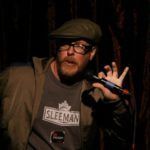
Erikka Innes
Residence Hall Check Out
Residence Hall checkout before 12pm.
Safe Travels Home - See You Next Summer!
2025 Top Sponsors
